Prime Highlights
- Kirkland & Ellis commits $500 million to build a proprietary AI legal platform.
- US judges have sanctioned lawyers in dozens of AI-related citation error cases.
Key Facts
- Kirkland & Ellis is a Chicago-founded global law firm with revenue of $10.6 billion.
- The platform design involves input from 250 lawyers and 180 technology professionals.
Background
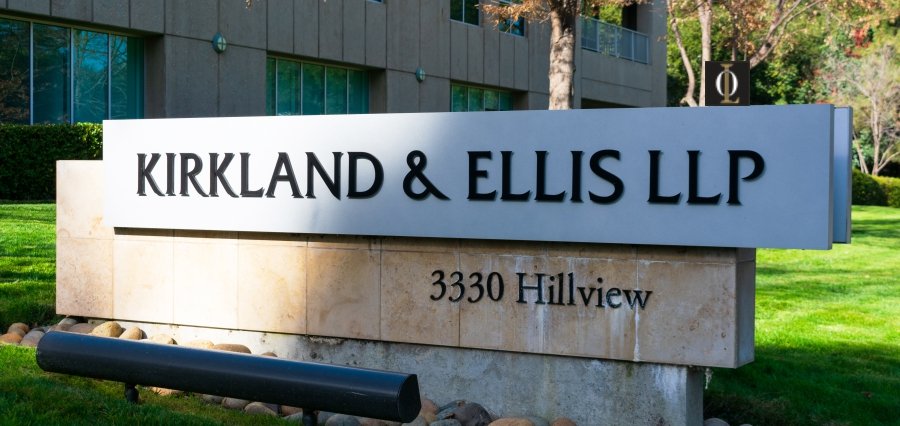
One of the most successful law firms in the world, Kirkland & Ellis, announced that it would invest $500 million within the next three or four years in creating its own artificial intelligence platform. The firm will kick off the project with $100 million in 2026, marking one of the most significant AI spending commitments in the legal industry to date.
The Chicago-founded firm, which reported revenue of $10.6 billion last year, said the platform’s design draws on input from 250 of its lawyers and will involve more than 180 technology professionals from within and outside the firm. Kirkland declined to identify the precise generative AI model supporting the proposed platform, but it did clarify that it would continue to license some third-party AI tools in addition to the bespoke construct.
The action is taken as big law firms rush to use AI to improve operations and legal work. London-based Freshfields announced in April that it would collaborate with Anthropic, the maker of Claude, to develop AI tools tailored for legal services. Law firm leaders say demand for custom AI solutions is rising, with internal debates ongoing about how much to build versus buy. Andrew Johnson, chief information officer at Brownstein Hyatt, said the resistance toward custom development that existed five years ago has largely disappeared.
However, AI adoption in law carries real risks. These include data security concerns and the technology’s tendency to fabricate case citations or generate non-existent legal sources. US judges have sanctioned lawyers across dozens of cases for using unverified AI-generated research. In April, Wall Street firm Sullivan & Cromwell issued an apology to a federal judge following the submission of a court document that contained incorrect citations and AI-generated errors.