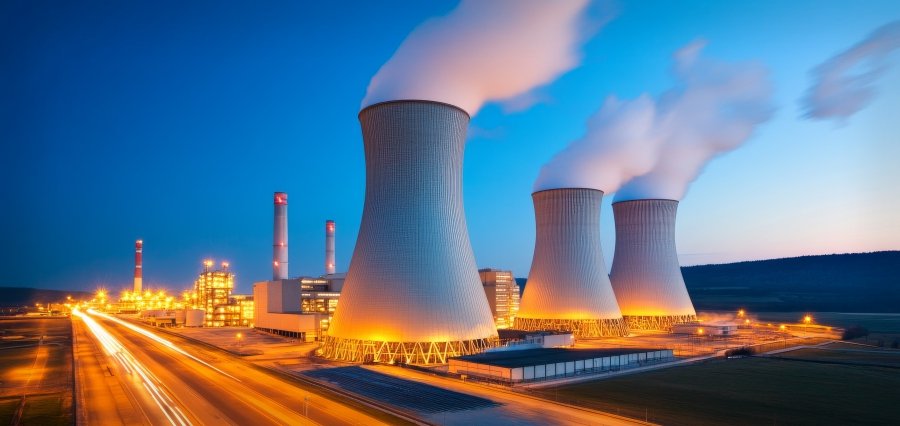
Late in 2025, India passed a new law – quiet at first, then impossible to ignore. Not just another update, this one reshaped the rules around atomic energy entirely. It goes by SHANTI Bill 2025, though its full name drags on: Sustainable Harnessing and Advancement of Nuclear Energy for Transforming India Bill, 2025. Change had been slow before; now movement picked up fast. Instead of sticking to old methods, the plan shifted toward speedier growth and tighter control. Private companies once kept out are now part of the picture, alongside overseas partners. Clean power from atoms became less of an idea, more of a timeline. Lawmakers wanted structure where there was none, clarity where things were tangled. Energy targets climbed higher, so did expectations for emissions cuts. Progress used to crawl through layers of outdated laws – it won’t anymore. This moment may be remembered later as when everything turned. One thing stands clear – the nation’s approach to nuclear energy will never look the same.
More than sixty years passed before change stirred in India’s atomic power landscape. Outdated rules once ruled the field, held together by aging acts from 1962 and another layered on in 2010. Government bodies alone called the shots under those laws, leaving little room for outside players to step in. Heavy legal strings stayed tied around every move made. Now, something different arrives – not through revolution but legislation quietly placed into Parliament during late 2025. Known as the SHANTI Bill, it pulls apart old structures one by one. Instead of scattered controls, a unified system takes shape beneath its clauses. This new design bends toward today’s demands while reaching for what comes next.
Sustainable Harnessing and Advancement of Nuclear Energy for Transforming India Bill, 2025: Opening the Sector to Private Players
The SHANTI Bill, introduced in 2025, shifts how nuclear energy works in India by letting private firms take part. Before this law, only official bodies such as the Department of Atomic Energy and NPCIL handled everything about atomic power. Now, thanks to new rules, businesses registered in India – or partnerships cleared by authorities – can step into the field. As long as they pass safety checks and get proper permits, these groups may construct facilities, run them, maintain operations, and eventually shut down reactors when needed. This change marks a clear move away from decades of public-only control over one of the nation’s key energy sources.
Now things are changing to pull in money, fresh ideas, and high-end tech from local companies and overseas ones too. Big manufacturers along with international businesses are showing they want a piece of the action. With private players stepping in, R&D work – like that on small modular reactors – gets more funding while government cash moves toward bigger power networks and upgrading grids.
Government keeps a close watch on some nuclear tasks – like making heavy water, enriching fuel, because these carry big risks. Even though companies handle much of the work in the industry, control stays tight where it matters most. Instead of leaving everything to market forces, decisions here mix profit motives with long-term security needs. Safety isn’t left to chance when materials involved can be dangerous if mismanaged. Through shared responsibility, progress moves forward without ignoring public protection.
Key Features and Modernization Under the SHANTI Bill
Not just about letting private companies in, the 2025 bill reshapes how India handles nuclear energy. Instead of sticking to old methods, it introduces updates across safety practices and operations. While focusing on performance, the framework adjusts oversight roles for clearer accountability. With fresh guidelines in place, licensing processes become smoother and less delayed. Though rooted in current infrastructure, the rules adapt to fit modern investment needs. Because outdated systems slow progress, certain agencies see reorganization. From planning to execution, each stage now includes checks that reduce risk. Even funding models shift slightly under the new structure. When compared to past policies, transparency gains noticeable ground here. As implementation begins, monitoring gets built into daily functions rather than added later. Since public trust matters, communication around plants improves without being forced. Where delays once piled up, coordination between bodies now flows better. Despite complexity, the overall direction aims at steady, measurable improvement. Following these shifts, long-term operation becomes easier to sustain. After years of rigid control, flexibility quietly finds its way into key areas
Statutory Regulatory Authority
Now things shift. Before, the Atomic Energy Regulatory Board had no official law behind it. That emptiness fills under the SHANTI Bill. Authority arrives through statute. Power grows for monitoring safety steps. Watching adherence finds new footing. Licensing gains clearer oversight. Legal muscle strengthens across duties once loosely held.
Unified Legal Framework
The SHANTI Bill brings scattered nuclear rules together under one law, streamlining how licenses are issued, regulations handled, because confusion slows things down. With fewer overlapping procedures, delays in decision making should drop since everyone follows the same set of directions now. Investors gain from knowing exactly what is required, given that uncertainty often deters long term commitments. A steady framework emerges when rules stop shifting, so confidence grows without promises being made. Bureaucracy shrinks not by cutting corners but by aligning steps people must take. Predictability becomes possible once expectations settle around clear obligations.
Liability and Compensation Reforms
Nowhere else has debate burned hotter than over who pays when things go wrong at a nuclear plant in India. Size matters under the new SHANTI Bill – bigger facilities face higher required payments, unlike the old system where every site had the same maximum. When costs climb past what insurers cover, public funds step in to absorb the extra burden.
Nowhere does the law make it easier for citizens to seek justice if something goes very wrong at a nuclear site. Instead, roles get split – operators handle one part, suppliers another – with lines drawn tighter than before. Some say fairness takes a hit when disaster strikes. Clearer rules on paper might mean fewer options in reality.
Compensation Scope and International Reach
Out beyond India’s borders, fallout from a domestic accident might now bring claims into reach, thanks to the SHANTI Bill stretching liability across regions. A ripple here could mean accountability there, showing how one nation’s mishap can echo elsewhere. When events inside trigger damage outside, consequences aren’t confined by maps. This shift reflects how actions in one place may bind others far off, without grand promises or sweeping terms.
Faster expansion sits alongside tighter rules, yet questions linger on whether safeguards go far enough. Watchdogs and lawmakers still argue over how well things are policed. Responsibility lands on company leaders, even as critics wonder if consequences match the risks. Progress pushes forward, but not without friction from those demanding stronger checks.
What Is SHANTI Bill 2025’s Strategic Significance for India’s Energy Future
One step at a time, India moves forward with the Sustainable Harnessing and Advancement of Nuclear Energy for Transforming India Bill, 2025 – a turning point shaping how it powers itself decades ahead. Not just steady but clean, nuclear energy delivers constant output even when clouds block sunlight or winds die down. Because reactors run day and night, they stand ready to back up solar farms and turbines spinning in gusts. With room to grow, atomic plants could ease pressure on coal imports while keeping lights on across cities and villages. Behind this push lies a clear target: one hundred gigawatts from fission by the year 2047. Instead of relying only on oil shipments and gas lines, New Delhi leans into atoms locked inside fuel rods. Each reactor built means fewer smokestacks coughing soot into thickening haze above crowded streets. As global temperatures climb, such choices begin mattering more than ever before.
Fueled by change, the SHANTI Bill might place India at the center of worldwide advances in nuclear tech and production. Backed by policies pulling in capital, updated safety checks, it sets a course shaped by teamwork across government and business. Rising needs at home drive part of this shift, yet the reach stretches further – into international markets hungry for clean power solutions. Not just supply, but influence grows when standards rise alongside ambition.
Still, shifting things around stirs up talk about who’s responsible when something goes wrong, who answers to people, and how rules get made while the law rolls out. These questions stick around, tugging at decisions and conversations alike.