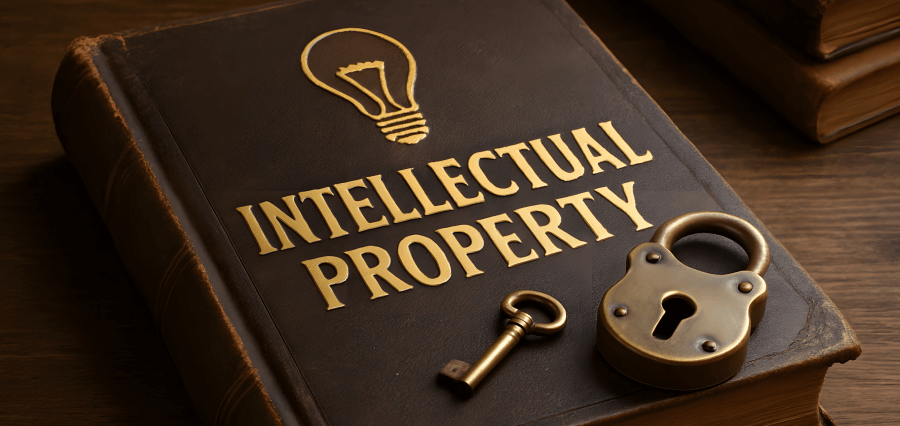
Not long ago, in fact, the protection of ideas became a major challenge while the fast exchange of ideas opened up new avenues of creativity and business. One idea that came up was to protect ideas through intellectual property. The main issue today is to define the concept of infringement of intellectual property and the significance of this concept in a digital world.
Intellectual property infringement describes the unauthorized appropriation, replication, or sharing of another person’s artistic work or idea. It may sound like a complicated legal term that applies primarily to large corporations and courtrooms; however, the reality is that it involves all kinds of people, including individuals, freelance workers, startups, content creators, and even large companies, to name a few. Whenever you come up with something original, such as a photo, a product design, a logo, a piece of writing, or software code, you become the rights holder. In this case, anyone making use of it without permission would be infringing, either knowingly or unknowingly.
A common case of misunderstanding is that people think anything that is on the internet is automatically free to use. But this is not the way that intellectual property works. The fact that an image is online, a song is on YouTube, or a logo is on Instagram does not imply that it is free for all to use. It was created by someone, it is owned by someone, and that ownership is protected by law. Infringement occurs whenever an individual or entity other than the owner uses that work without getting the owner’s permission. Sometimes the infringement is very clear, such as when counterfeit goods bearing a famous brand name are sold. Sometimes it is less obvious, like when a piece of content is copied, a few words are changed, and the altered version is posted as one’s own.
The two scenarios both count as violations of intellectual property rights.
It is very important to grasp this concept since intellectual property is not an asset anymore—more often it is the very heart of a business. The ideas of a company are heavily tied to its reputation, distinctiveness, and market value. Just think of big companies like Apple, Nike, Netflix, or even small independent ones. Their design, logos, techniques, and content are what set them apart from the rest of the market. If the others were free to copy these unique traits, the original owner would lose its position. This is the reason why IP laws are in place: to maintain the creator’s right to regulate the use, sharing, and monetization of their product.
Another important aspect to comprehend about IP violations is that one has to realize the wide spectrum of areas that it encompasses. It includes copyright infringement where the person has the whole creative work like music, films, blogs, artwork, or photos stolen from them. It includes trademark infringement, which is the misuse of logos, brand names, or taglines. There is also patent infringement where someone copies or uses a protected invention without permission. Even trade secrets are there—confidential formulas, processes, or business strategies that companies use to keep a foot in the market. When any of these are misused, it is legally treated as infringement.
The internet’s growth has resulted in making it much easier to illegally use someone else’s work or create a similar product without even having a clue about it. To illustrate, if you want to promote your video, you will have no other choice but to use a famous song or if you take some lines of code from a discussion forum on the internet, or if you get an image from Pinterest, or if you make a product that looks suspiciously like another one, all of these could lead to your facing serious legal consequences. A lot of times, small creators believe that their “little use” won’t matter to big companies, but in reality…
Mistakes happen, and sometimes people copy stuff without even realizing it’s protected. But even if it’s an accident, you’re still responsible. The law cares about who owns the rights, not why you messed up. So, if you’re a creator or business, you gotta know what counts as ripping off intellectual property and how to dodge it. Pay attention to being original, those licensing deals, copyrights, and who gets to use what. It’s not just being good, it’s staying out of trouble and keeping yourself safe.
Also, keeping your own creations safe is key. If you make something cool but don’t protect it, others might steal it or say it’s theirs. Getting those copyrights, patents, or trademarks gives you legal backup. Even if you’re just starting out, people might copy you or steal your content. Having those rights lets you call them out, fight back against anyone using your stuff without permission, and keep your work safe for the long haul.
Copying also causes problems online. Businesses these days bank on their brand, content, and how they look online. A copied logo can confuse people. A stolen blog hurts where you show up in search results. A copied product design cuts into your earnings. And fake products can trash your brand’s reputation. See, it’s not just about legal rights, it hits businesses where it hurts. If you want to make it in today’s world, you HAVE to protect your intellectual property.
As info gets more and more valuable, intellectual property is worth even more than physical stuff. That means copying is just going to keep growing, unless creators stay alert and people understand what’s going on. Knowing what counts as ripping something off is the first step. Respecting other people’s ideas and protecting your own helps to make things better, where creativity can do its thing without being stolen.
Bottom line: intellectual property is about respecting boundaries—the ones protecting ideas, who you are, and new ideas. And these days, ideas are everything, so keeping them safe is vital.