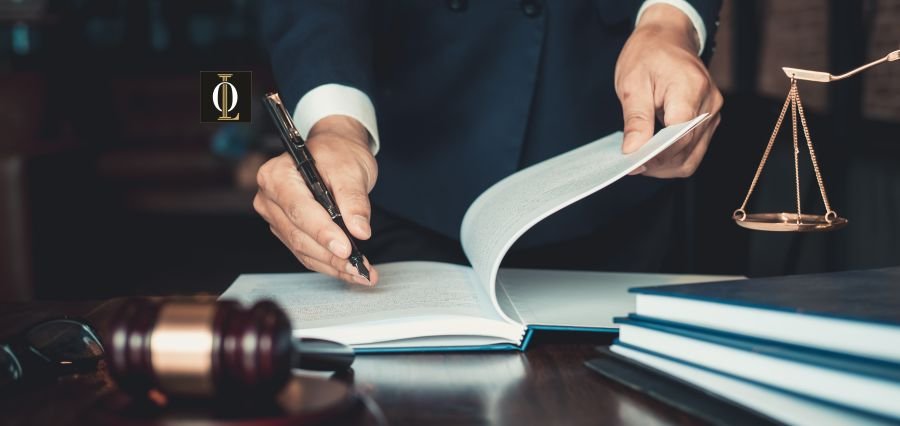
Stewards of the Law
In each and every society, someone should make sure that the law is administered fairly. The judges are the protectors of justice. They remain impartial in courts, and they make decisions according to facts, evidence and the law, rather than personal sentiments, politics and social pressure. The term “guardians of justice” describes judges perfectly. They protect the rule of law, ensure fair trials, and defend people’s rights.
The Role of Judges in a Fair System
Judges play a central part in keeping justice fair. They hear both parties in a case, they scrutinise the evidence, and they administer the law equally to all. This equality develops societal confidence in the system. In its absence, it is possible that people may be anxious that power or money has a say on who wins rather than the truth.
The important thing is an independent judiciary. It has to be unpressured by the governments, business or even the masses. This freedom lets judges make hard choices, even unpopular ones, to protect the Constitution and human rights.
Lessons from History
History offers clear examples of judges as guardians of justice. In the US, the case of Marbury v. was decided in 1803. Madison granted the judicial review to the courts. The result was that judges would declare unconstitutional laws. This balances the other branches of government and the security of citizens.
The other big case was the Brown v. Board of Education in 1954. The Supreme Court ended racial segregation in schools, ruling that “separate but equal” was not fair. These decisions propelled society toward greater equality during periods of significant change.
Challenges in Today’s World
Modern times bring new tests for judges. Issues like technology, cybercrime, data privacy, and artificial intelligence fill courtrooms. The judges should be able to use ancient laws in solving contemporary cases and remain faithful to fundamental principles of justice.
Backlogs and delays are common in many of the courts. Cases can take years, which hurts trust in the system. There is a limited number of judges, there is a lack of funds, and outdated procedures complicate it.
Political pressure is another threat. Others attempt to pressure or intimidate the judges. The social media attacks of the masses contribute to the issue of disseminating opinions prematurely before they can be well-defined. However, those upholding justice need to remain evidence-based and law-abiding. This can be done with training and powerful ethical regulations.
Why Guardians of Justice Matter More Now
In complex times, judges do more than settle disputes. They shape society by protecting minorities, defending free speech, and fighting corruption. Courts around the world have ruled on human rights during crises, making sure governments follow the law even in emergencies.
To help these guardians, societies need strong safeguards. This means secure jobs for judges, fair pay, and no outside interference. Teaching the public about the judiciary’s role can build respect and understanding.
A Steady Hand for the Future
Judges are silent servants of the law. Day by day, they interpret rules made by lawmakers and ensure leaders follow them. In doing so, they uphold truth when confusion and division are common.
As guardians of justice, judges show that the law belongs to all people. It protects the weak from the strong and holds the powerful accountable. Their peaceful labours in a rapidly changing and unpredictable world are leading society to justice.
Their efforts give hope. By staying impartial and brave, judges prove justice can win. Everyone gains from their watch, as it keeps democracy alive and rights safe.
Ultimately, guardians of justice do much more than determine cases. They protect the fundamental ideology that none of us is above the law. Such a solid foundation enables societies to overcome difficult times with the belief in truth and justice.